


-

Add: HeBei ShengShi HongBang Cellulose Technology CO.,LTD.
-

Email
13180486930@163.com -

CONTACT US
+86 13180486930




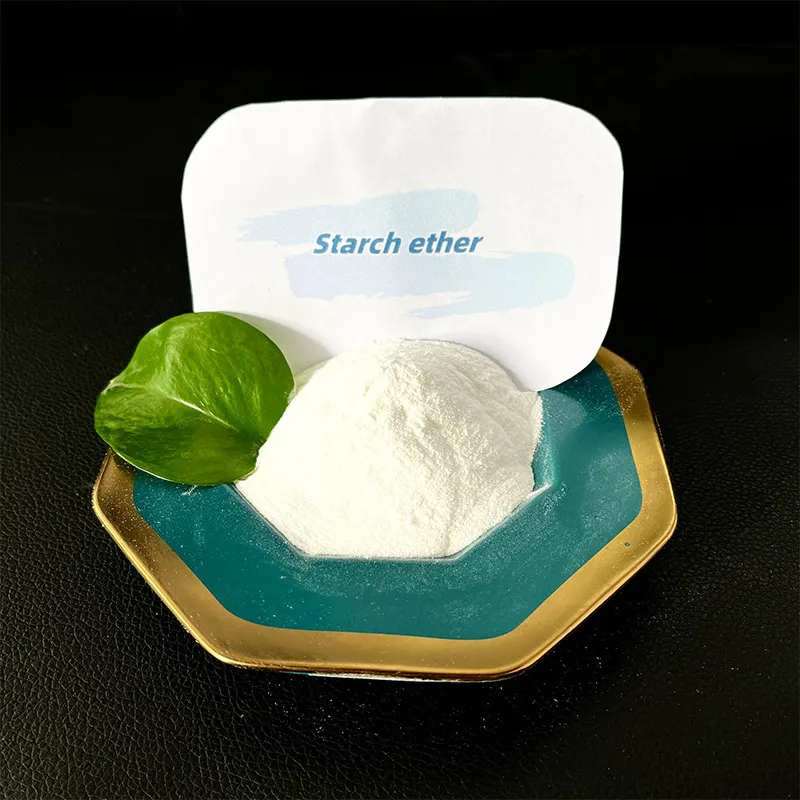
The Insider’s Guide to Starch Ether in Modern Drymix and Beyond If you’ve spent time on a jobsite—or in a lab with a Brookfield viscometer humming in the background—you’ve probably noticed how starch ether quietly fixes problems most people blame on “sand” or “weather.” To be honest, the material’s not flashy. But it’s the difference between a tile adhesive that sags and one that just… sticks. From HeBei ShengShi HongBang Cellulose Technology CO., LTD (Room 1904, Building B, Wanda Office Building, JiaoYu Road, Xinji City, Hebei Province), this refined, white powder is plant-derived, modified via controlled etherification, then spray-dried. In fact, many customers say its balance of water retention and slip-resistance is the most “forgiving” in their drymix line. Industry trend check Two currents define this year’s drymix market: lower-VOC, bio-based additives, and finer control of open time without compromising anti-sag. starch ether —especially low-ionic variants paired with HPMC—hits both goals. Surprisingly, we’re also seeing uptake in gypsum skims where finish consistency matters more than peak viscosity numbers. How it’s made (real-world process flow) Materials: plant starch slurry, alkali, etherifying agents (e.g., hydroxypropyl, carboxymethyl sources), water. Methods: alkalization → controlled etherification (DS tuned) → neutralization → washing → filtration → spray drying → milling → sieving. QC & testing: moisture (oven), DS (titration), 2% sol. viscosity (Brookfield RV, ASTM D2196), pH (1% sol.), sieve residue (250 μm), mortar tests (EN 12004, EN 1015-12, ASTM C1437). Service life: packed shelf life ≈ 24 months (dry, sealed); finished mortar systems typically 20–30 years depending on binder and exposure. Industries: drymix mortars (tile adhesive, wall putty, skim coat, EIFS), gypsum plasters, grouts, fillers, waterborne paints, ceramic bodies. Typical product specs Parameter Value (≈) Notes Appearance White free-flowing powder Plant-derived Moisture < 12% GB/T 6283 Degree of substitution (DS) 0.05–0.30 Customizable 2% sol. viscosity 200–1200 mPa·s Brookfield, ASTM D2196 pH (1% sol.) 7.0–11.0 Ambient temp. Sieve residue < 5% @ 250 μm Flow consistency Recommended dosage 0.05–0.30% on binder Formulation-dependent Where it shines (applications and data) Tile adhesives (C1/C2): reduces slip, improves open time; synergistic with HPMC. Wall putty & skim coat: smoother knife feel; fewer drag marks. Gypsum plaster: anti-sag and better edge retention; less blistering. Self-leveling: anti-segregation at tiny dosages; careful not to over-thicken. Lab snapshot (internal, 23°C, 50% RH): with 0.15% starch ether in a C1 tile adhesive, slip dropped from 1.8 mm to 0.5 mm; open time (EN 1346 proxy) extended ≈ 8–10 minutes; flow (ASTM C1437) stayed within ±5% of control. Real-world use may vary, obviously. Case notes High-summer retrofit (UAE): starch ether + mid-vis HPMC maintained ridges in 38°C heat; installer complaints dropped to near zero. Gypsum skim (EU): 0.12% starch ether cut edge slump by ≈40% while keeping sandability acceptable. Vendor comparison (field impressions) Vendor Typical DS Viscosity Range Certs Lead Time HeBei ShengShi HongBang 0.05–0.30 200–1200 mPa·s ISO 9001, REACH-ready 10–15 days Vendor B (EU) 0.08–0.25 300–1000 mPa·s ISO 14001 3–4 weeks Vendor C (APAC) 0.05–0.20 150–800 mPa·s RoHS 2–3 weeks Note: ranges are indicative; always validate on your own line mixers and local sand. Customization, QC, and packaging Custom DS, particle size, and viscosity windows to match HPMC grade and binder chemistry. Routine tests: rotational rheometry (ISO 3219), flow table (ASTM C1437), tensile adhesion after heat/water aging (EN 12004-1). Packing: 25 kg paper bags with PE liner; palletized. Store cool and dry. Installer feedback? “Knife feel is calmer,” one foreman put it. Another said starch ether “buys me five more minutes when clouds roll in.” Not a bad review. Certifications and compliance Manufacturing under ISO 9001 with batch traceability; compliance support for REACH. Mortar performance verified to EN 12004 classes when used in suitable formulations. Authoritative citations ASTM D2196 – Standard Test Method for Rheological Properties of Non-Newtonian Materials by Rotational (Brookfield) Viscometer. ASTM C1437 – Standard Test Method for Flow of Hydraulic Cement Mortar. EN 12004-1:2017 – Adhesives for tiles. Requirements, evaluation of conformity, classification, and designation. EN 1015-12 – Methods of test for mortar for masonry: Determination of adhesive strength. ISO 3219 – Polymers/Resins in liquid form or as emulsions/dispersions—Determination of viscosity using a rotational viscometer.
- 40000tons

Production
- 20+years

Experience
- 5000+㎡

Acreage

-
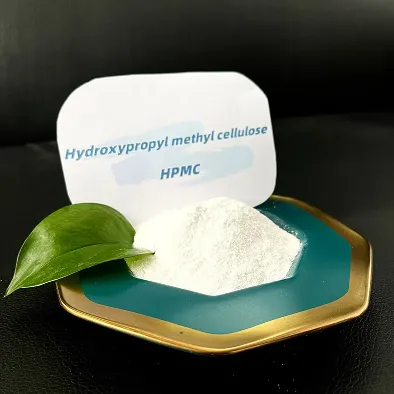
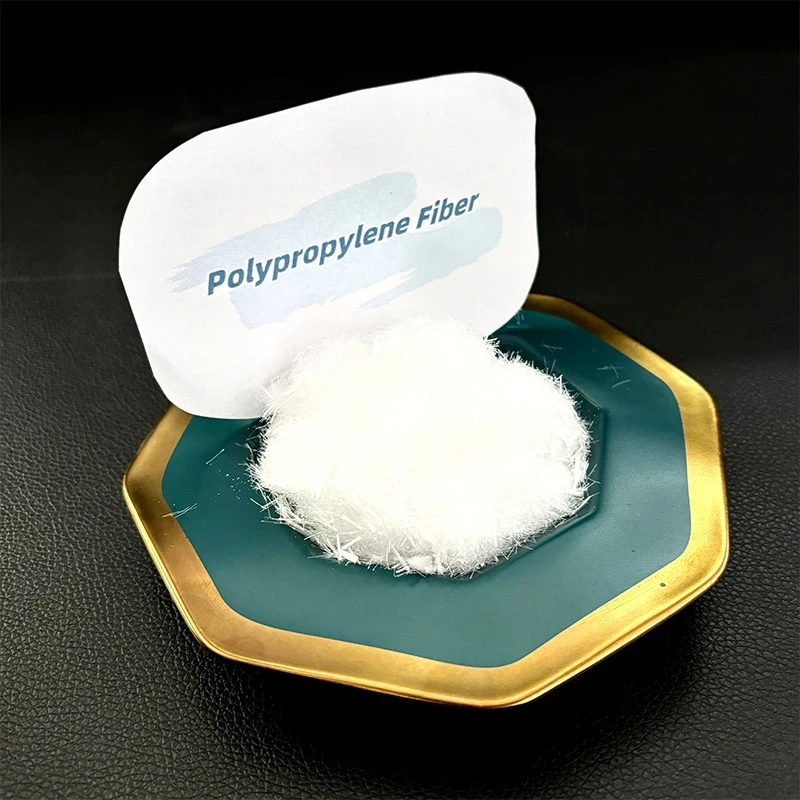
Understanding Polyolefin Fibers Properties, Applications, and Advantages Polyolefin fibers, derived from polyolefin resins, have become an integral part of various industries, ranging from textiles to automotive and construction. Polyolefins, primarily polyethylene (PE) and polypropylene (PP), are polymers characterized by their versatility, lightweight nature, and resistance to chemicals and moisture. This article delves into the properties, applications, and benefits of polyolefin fibers. Properties of Polyolefin Fibers Polyolefin fibers exhibit a range of properties that make them suitable for different applications. One of their most notable characteristics is their resistance to moisture and chemicals. Unlike natural fibers, polyolefin fibers do not absorb water, making them ideal for use in damp environments. This resistance also contributes to their longevity, as they are less prone to mildew and deterioration. Another significant property is their lightweight nature. Compared to other synthetic fibers, polyolefin fibers are less dense, which offers convenience and ease of handling, especially in textile applications. Furthermore, these fibers have excellent thermal stability, remaining effective across a broad temperature range. Their low melting point, however, requires careful handling during processing and manufacturing. Polyolefin fibers are also renowned for their tensile strength and flexibility. These attributes not only enhance their durability but also allow for a variety of weaving and knitting techniques, leading to diverse fabric textures and styles. Additionally, they exhibit colorfastness, which means that dyes and pigments adhere well to the fibers without fading over time—a crucial factor for textile manufacturers. Applications of Polyolefin Fibers The versatility of polyolefin fibers has led to their widespread adoption across various industries. In the textile sector, polyolefin fibers are commonly used to produce non-woven fabrics, geotextiles, and various clothing items. Their moisture-wicking properties make them particularly popular in activewear and athletic apparel, where breathability and comfort are paramount. fibre de polyoléfine In the automotive industry, polyolefin fibers are utilized in interior components such as seating, carpeting, and insulation. Their lightweight nature contributes to overall fuel efficiency, aligning with industry trends toward sustainability. Additionally, the fibers impart excellent sound insulation properties, leading to a quieter ride for passengers. Polyolefin fibers are also gaining traction in the construction sector. Their resistance to moisture and chemicals makes them ideal for applications in roofing, insulation, and protective coverings. Furthermore, the fibers can be incorporated into concrete to improve its tensile strength, durability, and resistance to cracking. Advantages of Polyolefin Fibers The advantages of using polyolefin fibers are numerous and compelling. First and foremost, they offer excellent cost-effectiveness. As one of the most produced synthetic fibers globally, polyolefins are readily available and can be manufactured at a lower cost compared to other materials. Additionally, the sustainability aspect of polyolefin fibers is gaining attention. While traditional plastics pose environmental concerns, the recycling and reuse potential of polyolefins can mitigate some of these issues. Many polyolefin products are now being designed with recyclability in mind, contributing to a more circular economy. Another significant advantage is the low maintenance required for polyolefin-based products. Fabrics made from these fibers are easy to clean, resistant to stains, and retain their original properties even after multiple washes. This reduces the need for harsh cleaning products, further supporting environmental sustainability. In conclusion, polyolefin fibers present a wealth of benefits that cater to various industries, from textiles to automotive and construction. Their unique properties, such as chemical and moisture resistance, lightweight nature, and long-term durability, make them an attractive option for manufacturers looking to innovate and optimize their products. As sustainability continues to gain importance in material selection, the role of polyolefin fibers is likely to expand, paving the way for more eco-friendly and efficient solutions in the future.
-

High Performance Computing (HPC) and Hydroxypropyl Methylcellulose (HPMC) might seem like disparate terms, but they represent pivotal influences in their respective domains—technology and material science. As the digital era sweeps across industries, understanding the roles these elements play in shaping technological advancements becomes indispensable. HPC is a cornerstone in computational processes, enabling large-scale simulations, complex calculations, and efficient data processing. Its significance is particularly pronounced in areas like climate modeling, physics simulations, and drug discovery where traditional computing methodologies fall short. HPC systems enhance computational capabilities by linking computer clusters to function as a single entity, thereby optimizing processing power and speed. Businesses and institutions harness this capacity to solve problems that were previously insurmountable, significantly reducing the time required for research and development. Conversely, HPMC stands as a key player in the pharmaceutical and construction industries. As a semi-synthetic polymer, it exhibits excellent properties that make it an indispensable additive. In pharmaceuticals, HPMC serves as a controlled-release agent, ensuring the active ingredient in a drug is distributed at an appropriate pace in the body, enhancing the drug's effectiveness and patient safety. In construction, HPMC is valued for its water retention and cement dispersion properties, crucial for improving the workability of cement and plaster, leading to prolonged setting times and enhanced durability of structures. Bridging HPC and HPMC is their shared goal of fostering innovation and efficiency. Companies integrating HPC into their processes can speedily analyze vast data sets to identify patterns and make informed decisions, perhaps even in the tailoring of drug formulations utilizing HPMC. Such synergy allows for an unprecedented level of product refinement and predictive modeling, elevating the standards of quality and safety. Furthermore, the intersection of HPC and HPMC is visible in material science, where simulations powered by HPC can predict how HPMC and other polymers interact at a molecular level. Such insights are crucial for the development of new materials with customized properties, thereby expanding the potential applications of HPMC in various industries. hpc hpmc In practical applications , HPC has dramatically altered how industries approach data. For example, in genomics, HPC provides the computational capacity to conduct comprehensive genome analyses, a task unmanageable without such technology. These analyses can propel forward research in genetic disorders, fostering early detection and personalized medicine. Similarly, in the realm of energy, HPC aids in optimizing the exploration and production of energy resources, enhancing both efficiency and sustainability. On the HPMC front, its versatility extends into the food industry, where it acts as a stabilizer, thickener, and emulsifier. The non-toxic and non-allergenic nature of HPMC makes it an attractive option in developing food products that meet stringent safety standards while retaining taste and texture. In the realm of personal care products, it is used to enhance the consistency and shelf life of goods such as lotions and creams. Given this context, businesses looking to leverage these innovations need to astutely integrate HPC into their strategic planning and utilize HPMC in product development to stay competitive. Organizations should invest in training and development of their workforce to gain expertise in these technologies, ensuring they remain at the forefront of their industries. Trust in these technologies comes from demonstrated success and scientific validation. For companies involved with HPC, regularly publishing peer-reviewed research and case studies can help bolster trustworthiness and transparency in their methodologies. Simultaneously, firms utilizing HPMC in products must comply with regulatory standards and publish their compliance and safety certifications to establish credibility and consumer trust. In conclusion, HPC and HPMC exemplify the potential inherent in technological and scientific advancement. While they operate in distinct spheres, their intersection presents endless opportunities for innovation and enhancement of products and services. By harnessing their capabilities, industries can not only improve their processes and offerings but also foster an environment where continuous improvement and cutting-edge solutions are the norms.
advantages
-

200000 Viscosities
Excellent product
We can produce pure products up to 200,000 viscosities
-

40000 tons
High yield
We don’t stop production all year round, and the annual output can reach 40,000 tons
-

24 hours
Quality service
We provide 24-hours online reception service, welcome to consult at any time
———— Inquiry Form
Schedule A services
-
 vinyl_acetate_ethylene_copolymer_powder
Oct . 25, 2025
In the realm of construction and architecture, building coating adhesives have become an essential c -
 hpmc_used_in_tablets
Oct . 25, 2025
Hebei ShengShi HongBang Cellulose Technology Co., Ltd., located in the Xinji Provincial Clean Chemic -
 polyacrylonitrile_powder
Oct . 25, 2025
The Growing Importance of PP Fiber Concrete in Modern Construction In the ever-evolving landscape of


